
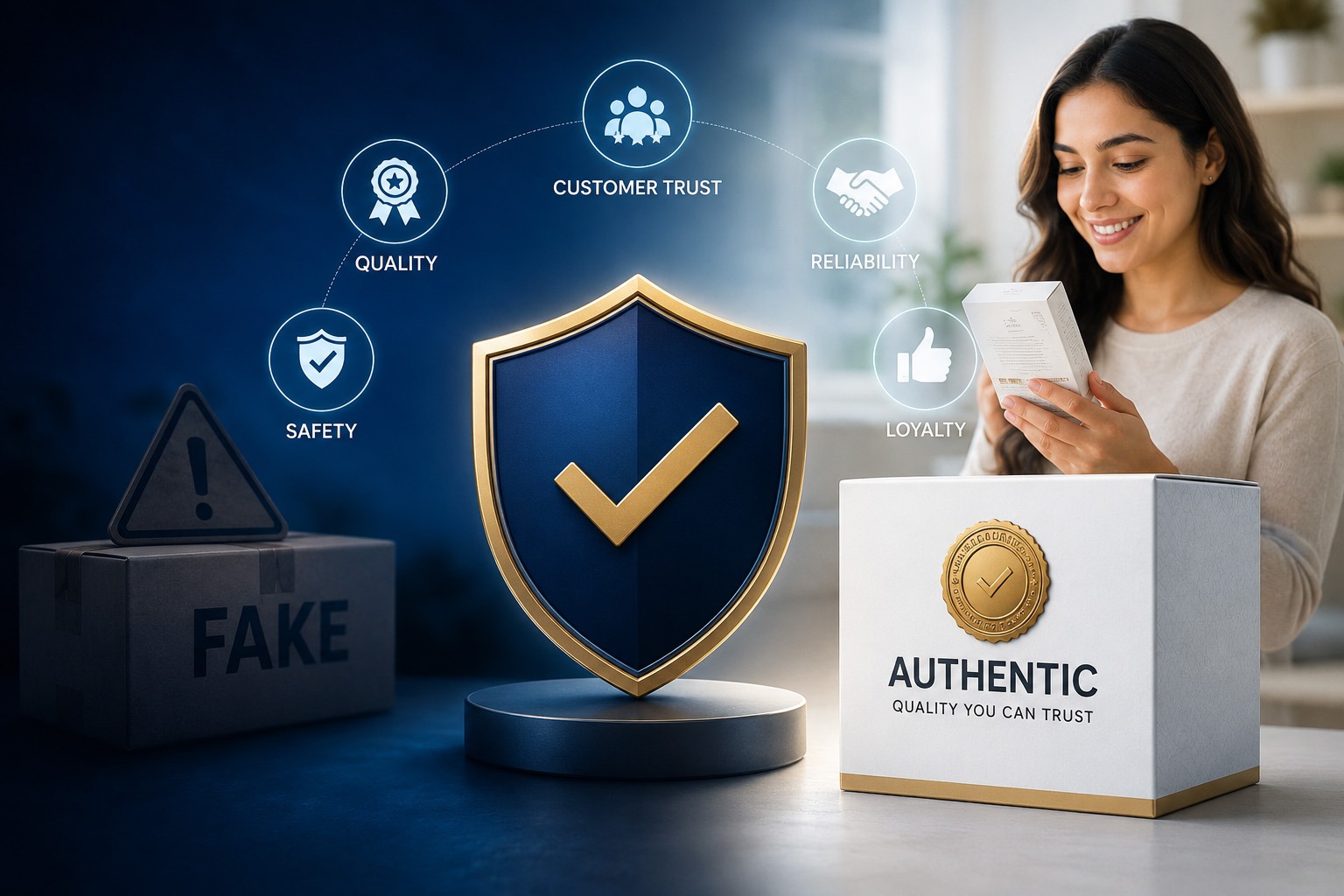
In today’s interconnected and hyper-competitive world, customer loyalty is no longer based on price alone. Instead, it is based on authenticity. Today’s consumers are smart, informed, and have little patience for brands that don’t live up to the promises they make. The result? A paradigm shift in the very nature of customer loyalty.
This is the new age of customer loyalty, and it is based on trust, transparency, and engagement. Those brands that get it are winning.
The Shift from Transactional to Emotional Loyalty
In the past, most customer loyalty programs were centred around transactions, such as "the more you buy, the more we reward." However, such models are not effective in today’s competitive environment, and customers are moving from such a paradigm to one of emotional loyalty.
Genuine brands are those that build relationships, not transactions. This means they share values with their customers, they communicate effectively, and they deliver consistency. When a brand makes a customer feel like they understand them and value them, they are much more likely to remain a loyal customer, even when faced with competitive options.
Why Authenticity Matters More Than Ever
For consumers, the amount of information they are exposed to is endless, and this is changing the way they make purchasing decisions, especially with the power given to product and peer reviews, social media, and word-of-mouth compared to traditional forms of advertising. Therefore, for brands, being authentic is no longer a luxury, but a necessity, as all it takes is for a customer to have a bad experience to lose them forever, as studies have shown that a significant percentage of customers are willing to switch brands after only one bad experience.
Being authentic is all about creating credibility, and this is where trust comes in, as this is the foundation for loyalty.
The Role of Technology in Modern Loyalty
The role that technology plays in the way brands relate to consumers is significant. Modern loyalty schemes are no longer simply physical cards or point schemes, but are now digital, personalised, and data-driven.
The modern solution enables brands to:
- Track customer behaviour in real-time.
- Personalise the customer experience.
- Deliver transparency and authenticity in product interactions.
- Enable seamless engagement through mobile and digital platforms.
For example, platforms like VCQRU show the potential of modern digital loyalty schemes, including the ability to integrate features such as QR engagement, instant rewards, and real-time analytics. The innovations are not only driving the customer experience but also building trust through the provision of transparency and authenticity in every interaction.
Personalisation: The Key to Deeper Connections
Generic marketing approaches do not work anymore, and what customers want from a brand is a sense of understanding and personalised experiences.
Personalisation in loyalty programs can take many different forms, such as:
- Personalised rewards based on purchase history.
- Targeted offers and recommendations.
- Personalised communication.
Customers feel a sense of value when they receive relevant and meaningful interactions from a brand, and this is what helps build a deeper connection with them.
Transparency Promotes Trust
In an age where counterfeits and false claims are the order of the day, the value of transparency cannot be overstated as a major factor that differentiates brands. Customers are interested in knowing:
- The source of the product.
- Whether the product is genuine.
- The inner workings of the brand.
- Transparency is, therefore, key to building customer relationships with the brand.
Digital technologies, such as authentication, track and trace technologies, and secure labelling, are also important in building customer trust.
The Power of Consistent Customer Experience
Authenticity is not a project; it is an ongoing process. Each and every interaction that the customer has with the brand is an important part of the customer’s entire brand perception.
To ensure consistency, the following areas are important:
- Online and offline.
- Customer service.
- Quality and delivery.
- Communication and branding.
In order to develop brand loyalty, brands need to consistently deliver and over-deliver on the customer’s expectations, and this is where the importance of reliability comes into play.
Rewarding Loyalty the Right Way
Emotional connection is important, but rewards also have a place. The difference is that the focus is no longer on rewarding loyalty, but on adding value.
What makes a loyalty program successful today is:
- Instant rewards and cashback.
- Flexibility in reward options.
- Tiered reward options for loyal customers.
- Easy engagement through digital channels.
Studies have found that loyalty programs can contribute to a significant increase in repeat business, to the tune of 30-60% or more. The difference is that the reward is no longer just about rewarding loyalty, but about adding value.
Community-Driven Loyalty
Another major trend that has come to characterise loyalty in recent times is community-driven loyalty. The idea behind this concept is that customers should feel a sense of belonging.
When brands create communities, whether through social media, events, or user-generated content, they help their customers feel a sense of belonging. This, therefore, creates a sense of loyalty among customers.
When customers become brand ambassadors, they not only remain loyal; they will, in turn, attract more customers through word-of-mouth.
Challenges Brands Must Overcome
Despite the opportunities, building customer loyalty comes with several challenges that brands must overcome:
- High competition and low switching costs.
- Customer scepticism toward marketing claims.
- Difficulty in maintaining consistent experiences.
- Effectively managing large volumes of customer data.
If brands cannot overcome these challenges, they will find their customers flocking to competitors who prioritise authenticity and engagement.
The Future of Customer Loyalty
The future of customer loyalty will be one of integration, bringing together the use of technology, authenticity, and human connections.
- Leverage data for deeper insights.
- Emphasise transparency and trust.
- Provide personalised and seamless experiences.
- Build long-term relationships, not short-term gains.
Loyalty will no longer be a program, but an experience.
Conclusion
In the new age of customer loyalty, authenticity is not a choice; it is a requirement. No longer do we find consumers loyal to brands and companies, but rather to those brands and companies that provide value, trust, and connections.
Businesses that choose transparency, utilise technology, and prioritise the customer experience will be those standing out in a crowded marketplace. VCQRU, a platform, demonstrates how such tools can aid in this shift, but ultimately, it comes down to a brand’s ability to remain authentic.
In the end, authentic brands do not win customers; they win loyalty.

.jpg)
