
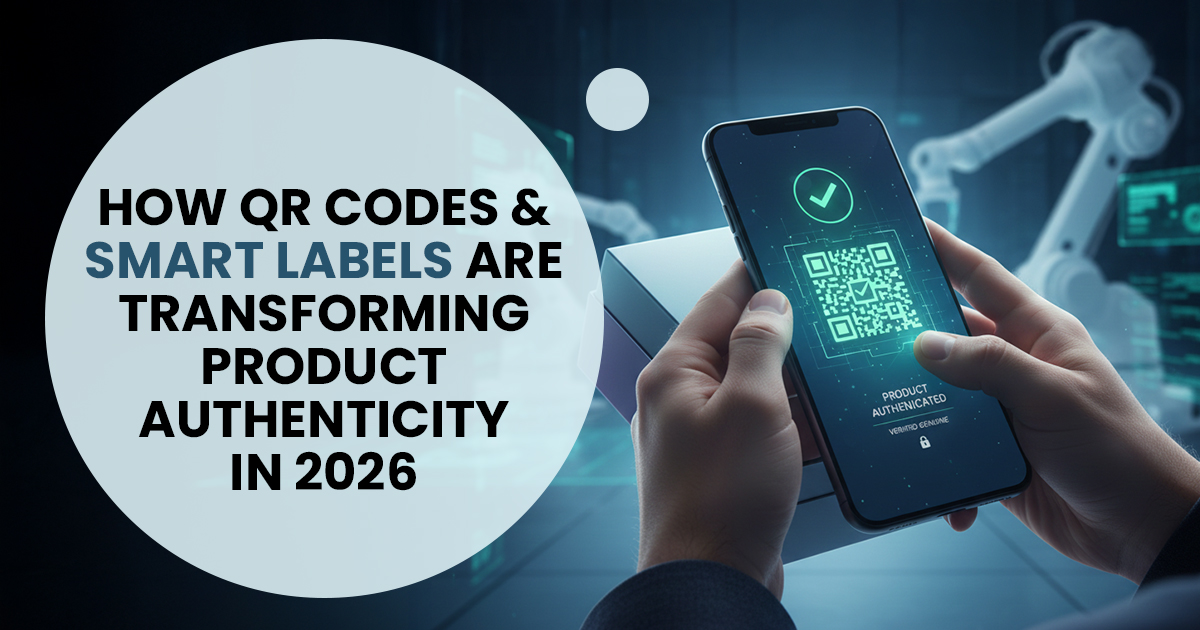
Counterfeiting has moved beyond cheap imitation — today’s fake product ecosystem is powered by organized networks, digital printing, advanced packaging replication, and marketplace distribution. Whether it's FMCG, pharma, auto parts, cosmetics, seeds, lubricants, electronics, or even kitchen essentials, counterfeiters are always one step behind technology.
But in 2026, technology has finally taken the lead.
The rise of dynamic QR codes, encrypted smart labels, AI-driven authentication, and track-and-trace ecosystems has empowered brands to protect consumers and eliminate duplication at scale.
This blog explains how QR codes and smart labels have evolved into the #1 global anti-counterfeit standard, and how VCQRU is using this transformation to help brands protect revenue, restore customer trust, and eliminate fakes permanently.
Why Product Authentication Needed a Technological Evolution
Traditional anti-counterfeit methods such as holograms, serial numbers, embossing, and UV features worked for years — but counterfeiters became faster.
Challenges with old methods:
- Easily photocopied or reprinted
- Replicated through online vendors
- No digital verification
- No customer engagement
- No traceability beyond packaging
By 2023–2024, counterfeiting became:
- Cheaper
- Faster
- Digitally scalable
- More organized
Brands needed authentication that counterfeiters cannot copy, and customers can verify instantly. This paved the way for next-gen QR codes and smart labels.
How QR Codes Evolved: From Simple Scans to Smart Authentication (2026 Edition)
QR codes started as static identifiers used for website links, but in 2026, they have evolved into encrypted digital identities. Below is the transformation timeline:
Static QR Codes (Old):
- Printed once
- Same data for all products
- Easily photocopied
- No backend intelligence
Dynamic QR Codes (2026):
- Unique for every product
- Record each scan event
- Detect duplication instantly
- Linked with blockchain or secure databases
- Trigger loyalty, warranty, and rewards
Dynamic QR codes are now the global gold standard for authentication.
VCQRU uses encrypted, server-verified, multi-layered QR identity that cannot be reused or duplicated.
What Makes Dynamic QR Codes Impossible to Copy?
1. Server-Side Validation
The code is validated on VCQRU’s secure server — not inside the printed label.
Fake QR print ≠ Verified QR scan.
2. One-Time Authentication Logic
Each QR scan creates:
- Timestamp
- GPS location
- Device ID
- Duplicate scan alert
If the same code is scanned again, the system flags it.
3. Encrypted Data Hashing
The printed QR contains encrypted tokens, not readable product data.
4. Geo-Fencing & Location Analysis
Brands can see:
- Where scans are happening
- Where fake clusters appear
- High-risk geographies
5. Integration with Loyalty or Warranty
Counterfeiters cannot replicate reward systems. This combination makes QR codes both consumer-proof and counterfeit-proof.
Smart Labels - The Physical Layer of Future Authentication
Smart labels complement QR codes by adding physical protection.
Types of Smart Labels Used in 2026: 1. Tamper-Evident Labels
Any attempt to remove or reseal the label shows visible damage.
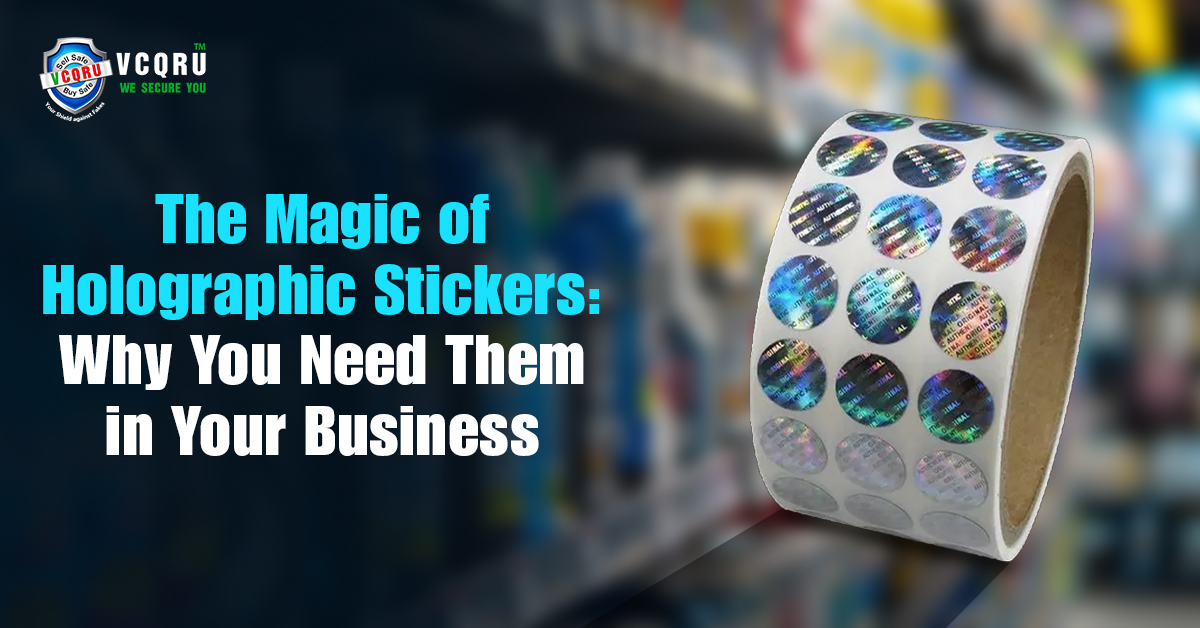
2. Nano-Optical Security Films
Next-gen holography with:
- Nano patterns
- Light reflection surfaces
- Multi-angle validation
Impossible to replicate cheaply.
3. Multi-Layered Scratch Labels
Hide QR codes or PINs behind scratch layers — used in auto parts, cosmetics, agro, and seeds.
4. UV & IR Security Layers
Invisible to the naked eye but visible under special light.
5. 2D + 3D Hybrid Labels
Combining physical elements with digital authentication. Smart labels add tamper resistance, while QR adds digital validation → truly unbeatable.
The Complete Authentication Journey (2026 Model)
When consumers scan a VCQRU QR code, the data flow looks like:
Step 1 — User Scans the QR
Using:
- Mobile camera
- Brand’s app
- WhatsApp scan
- VCQRU portal
Step 2 — System Validates the QR
The backend checks:
- Unique encrypted ID
- Timestamp
- Scan location
- Repeat scan history
- Expiry or batch validity
Step 3 — Authentication Result
User sees:
- Authentic Product
- Duplicate Scan Detected
- Fake Product Suspected
Step 4 — Brand Engagement
Post-authentication:
- Loyalty points
- Reward redemption
- Coupon unlock
- Warranty activation
- Product education
- Upsell/cross-sell
This turns verification into a loyalty engine.
Why QR Authentication is the Future of Brand Protection 1. Counterfeiters Can’t Copy Server Logic
Even if they print the visual QR, they cannot replicate:
- Encryption
- Token system
- Backend identity
- Digital hash
2. Early Detection of Fake Clusters
Heatmaps reveal where fake products are entering the market.
3. Instant Customer Trust
Customers know the product is genuine.
4. End-to-End Track & Trace
Brands can track:
- Manufacturing
- Logistics
- Warehouse
- Distributor
- Retailer
- Customer
5. Data = Power
Brands receive:
- Real-time analytics
- Location-based scan insights
- Market penetration reports
- Distributor performance
- Consumer demographics
Counterfeiters cannot compete with this level of visibility.
Industries Leading the QR Authentication Revolution in 2026 1. FMCG & Food
Products like ghee, spices, oil, baby food, packaged snacks require authenticity to protect consumers.
2. Pharma & Healthcare
QR-linked serialization is now mandatory in many markets.
3. Automotive & Lubricants
Millions lost annually due to fake brake pads, filters, oils.
4. Cosmetics & Personal Care
High duplication, high customer risk → ideal for QR verification.
5. Agro & Seeds
Fake seeds destroy crop yield → QR validation is now widespread.
6. Electricals & Wires
Fake wires can cause fires — authentication is becoming mandatory. VCQRU delivers tailored authentication ecosystems across all these industries.
Case Study: Brand Reduced Counterfeits by 72% in 90 Days
A leading FMCG brand rolled out VCQRU’s QR smart labels on 8 crore packets.
Results:
- 14 lakh scans in first 90 days
- 1,200 fake clusters identified
- 72% reduction in fake complaints
- 40% increase in repeat consumer engagement
The brand integrated loyalty rewards with authentication → massive consumer participation.
How VCQRU Provides End-to-End Anti-Counterfeit Solutions
✔ Dynamic & encrypted QR codes
✔ Smart labels (tamper-proof, holographic, nano-optical)
✔ Track-and-trace platform
✔ Real-time fraud detection
✔ Loyalty integration
✔ Distributor/retailer verification
✔ AI-powered analytics
✔ Automated alerts for counterfeit hotspots
VCQRU protects 700+ brands across 18+ industries, delivering 10M+ authentications monthly.
The Future — AI, Blockchain & NFC Authentication
In 2026 and beyond:
- AI will detect unusual scan patterns
- Blockchain will validate serialization
- NFC chips will secure high-value goods
VCQRU already integrates:
- AI anomaly detection
- Batch-level blockchain registry
- NFC + QR hybrid tags
The future of anti-counterfeit is a combination of digital intelligence + physical security.
Final Thought — Authentication is No Longer Optional
With counterfeiting growing 20% year-on-year, brands that do not secure their products will lose:
- Revenue
- Consumers
- Market reputation
QR + Smart Labels are not only authentication tools - they are brand loyalty engines, data systems, and customer trust builders. VCQRU helps brands shift from reactive protection to proactive safeguarding.
Book a Free Anti-Counterfeit Demo and Protect your brand, your revenue, and your customers with VCQRU’s next-gen authentication technology.
.jpg)