An estimated $1.8 trillion is lost every year to counterfeits around the world, and a single-layer approach is not going to be enough. The companies that succeed in this space will be the ones that integrate multiple physical and digital security layers into their product authentication process.
From medications that save lives to consumer electronics, counterfeit products have entered the market in unprecedented numbers. But for the brands that make these products, the question is no longer how to identify counterfeit products but rather how to create a security system that cannot be easily replicated, is instantly understood by consumers, and includes smart technologies capable of collecting real-time data.
One solution to the problem is the multi-layered authentication approach, which involves pairing physical security with digital authentication technologies.
| 10% of all pharmaceutical drugs sold are counterfeit (WHO) | 20% of all automobile spare parts sold are counterfeit |
| 30% of all online luxury purchases are counterfeit | $100B+ in annual losses in consumer electronics alone |
Why Single-Layer Security Is Not Adequate Anymore
Any traditional security system has its own limitations when used separately. The regular seegram, even though attractive, can be printed using new technologies by advanced counterfeiters. Similarly, bar codes and normal QR codes can be easily duplicated and offer no live verification. Even the RFID tag, which is considered highly secure, needs special readers, is costly to implement, and can be cloned.
The counterfeiters never rest. Each time a new protection layer is developed, the counterfeiter works on duplicating it. This is the reason why today’s security industry is heading towards a multi-layered security approach, where several different verification systems are stacked together.
Insight into the Two Fundamental Pillars of Product Authentication
A strong product authentication system consists of two key pillars that complement each other: physical and digital security.
| Pillar One Physical Security Characteristics | Pillar Two Digital Authentication Instruments |
|
|
How the Physical Layer Works Together with the Digital Layer
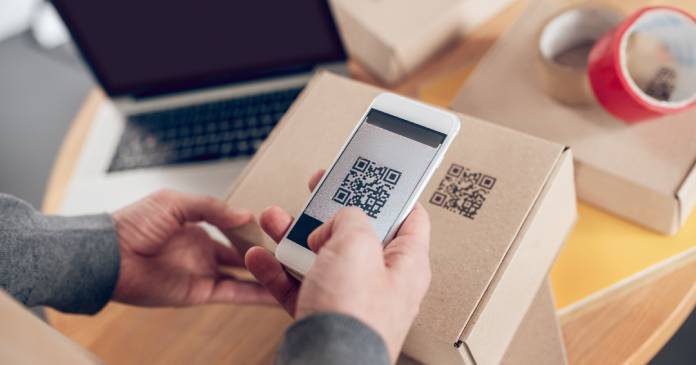
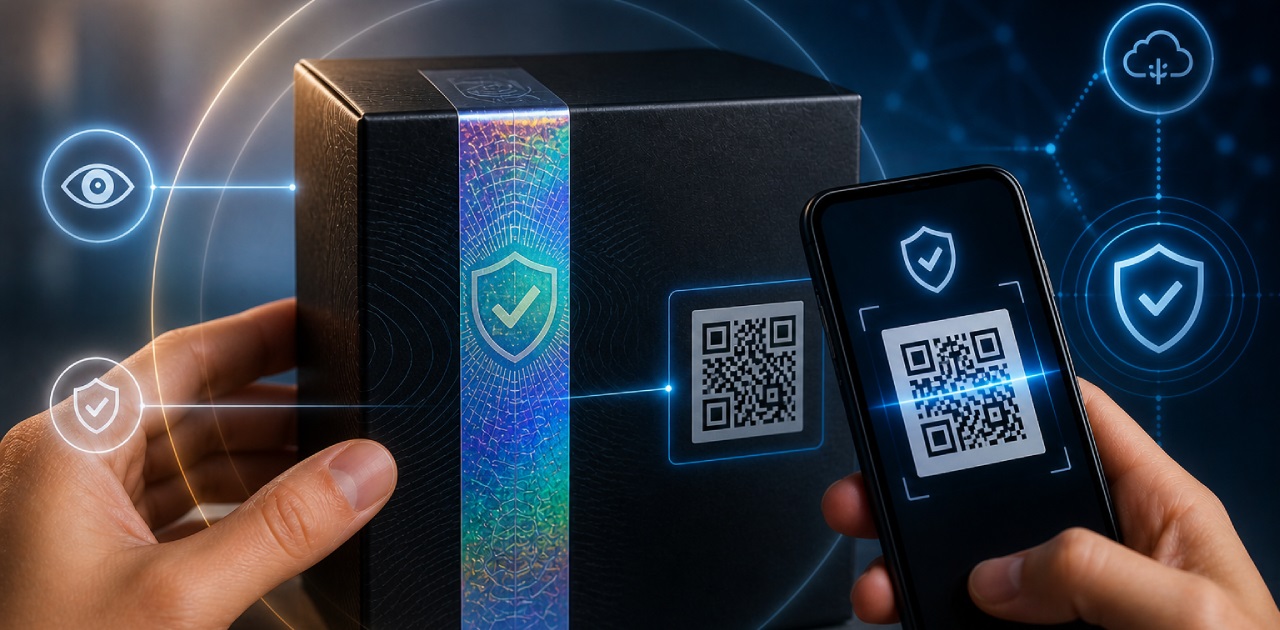
It’s only when the two layers come together that the magic really happens. Take, for example, the product label containing both a high-end seegram optical structure and a serialised QR code beneath it. The consumer instantly verifies the seegram component by eye, recognising the true nature of the product. Next, scanning the QR code with their phone, they instantly receive authentication of the product through its data.
For those trying to copy such a product, there are two separate challenges facing them. First, recreating a seegram optical structure requires sophisticated, patented equipment, not something that you would just print out at home. Secondly, even attempting to create a digital duplicate of the code is pointless, as QR codes are unique, encrypted, and tied directly to a particular product unit.
The Importance of Smart Tags for Contemporary Authentication
A smart tag is the result of merging these two concepts. The smart tag incorporates a QR code, an NFC chip, or serialised information on the same secure and tamper-proof seegram material. These tags can be printed and affixed on any surface, ranging from glass bottles, plastics, cartons, pouches, and even shrink sleeves, without having to adjust the existing manufacturing line.
These manufacturers have the ability to include smart tag printing and applicators directly onto their filling lines, mono-carton packaging, and assembly lines. This guarantees that each unit will have its own distinct digital identity by the time it leaves the manufacturing plant.
Track & Trace: Security that Covers the Whole of the Chain
Among the most important benefits of digital authentication is the ability to track and trace products across all stages of their journey through the supply chain, from production through to consumers' hands. Each scan leaves its trace in terms of information on who scanned the product, when, and where. This provides a chain of audit trails, making it clear whether the product is being distributed in unauthorised territories or has been refilled.
The brands will be able not only to identify locations of counterfeiters but also to be notified instantaneously about any appearance of the fake product on the market. Such a strategy changes the character of brand protection from reactive to proactive.
A good illustration of the application of this two-pronged approach could be the VerifEye technology introduced by VCQRU and featuring multi-refractive optical microstructures combined with optional digital features such as QR code and NFC.
The Sectors That Most Benefit From Multi-Level Product Authentication
Though the requirement for product authentication is nearly universal across industries, there are sectors in which risks are more pronounced and in which multi-level verification will bring more benefits.
- Pharmaceuticals
- FMCG
- Auto Parts
- Consumer Electronics
- Cosmetics
- Agro and Seeds
- Alcoholic Drinks and Beverages
- Supplements
Counterfeit medicines present a serious health hazard in the pharmaceutical sector. A non-falsifiable label, along with digital verification on a per-lot basis, instils confidence among regulatory agencies, distributors, and patients in each packet of medicine. Serialised QR codes in the automobile industry provide assurance about the genuineness of components by enabling dealers and end-users to authenticate them before installation.
In the FMCG sector, where products are distributed in bulk through extensive dealer networks, a secure label, along with scanning, helps prevent refilling and grey-market operations.
What Good Fraud Analytics Looks Like
Digital authentication is not only about protection, but also intelligence. With advanced anti-counterfeiting platforms, you can get daily, weekly, or monthly reports on patterns, such as scans of counterfeits, duplicates, geographical spots, and misuse by retailers. In this way, brands can learn in real time about areas where their products are used, where grey markets are functioning, and where the supply chain has been compromised.
With proper use of data, this becomes not merely a protection method but a source of business intelligence, which allows brands to make informed decisions regarding distributions and launch more effective investigations to reduce counterfeits.
Conclusion: Layering Authentication for a Bright Future
In this digital era of sophisticated counterfeits, no product security method can be effective alone. What matters is having an intentional mix of visible physical properties that customers can recognise instantly and digital technology to provide them with intelligence, traceability, and prompt notification in case of any security breach.
For manufacturers working in sectors such as pharmaceuticals, FMCG, automotive, and other industries, this approach is becoming a norm. With layered authentication technologies, brands secure themselves from losses and increase their chances of winning the market.
.jpg)