
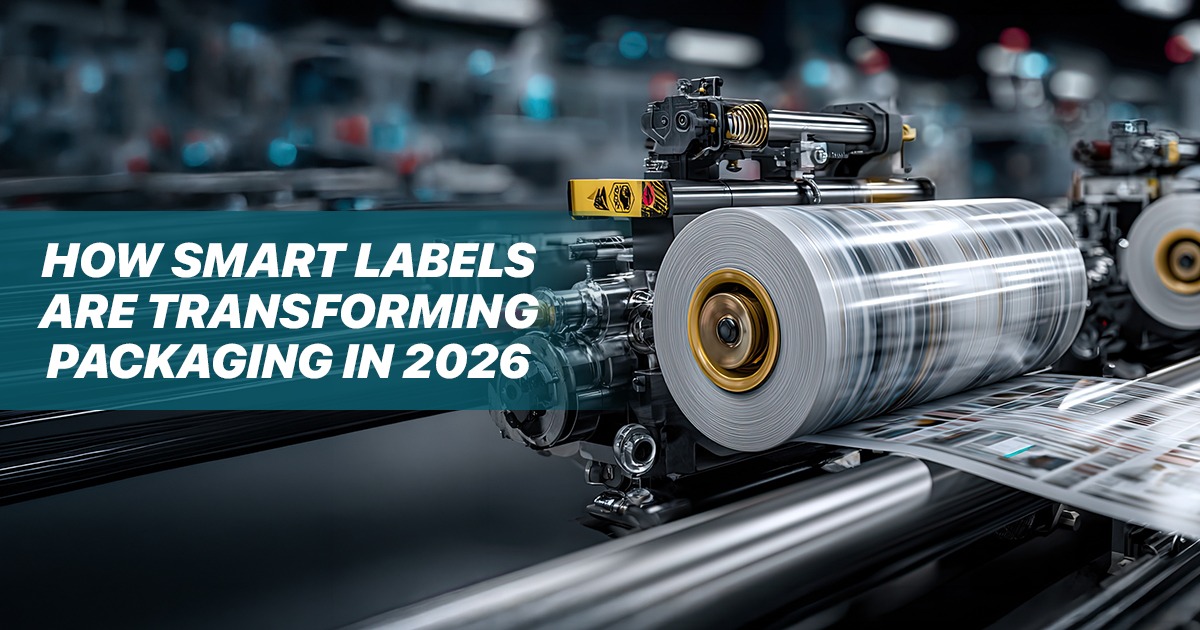
Packaging is no longer just about protection and branding. In 2026, packaging has evolved into a digital touchpoint, a security layer, and a data intelligence system. Smart labels powered by dynamic QR codes, authentication systems, and traceability technology - are redefining how brands interact with consumers and manage supply chains.
Brands that still treat labels as static print elements are missing a powerful opportunity.
What Are Smart Labels?
Smart labels combine physical packaging with digital intelligence. They typically include:
- Unique dynamic QR codes
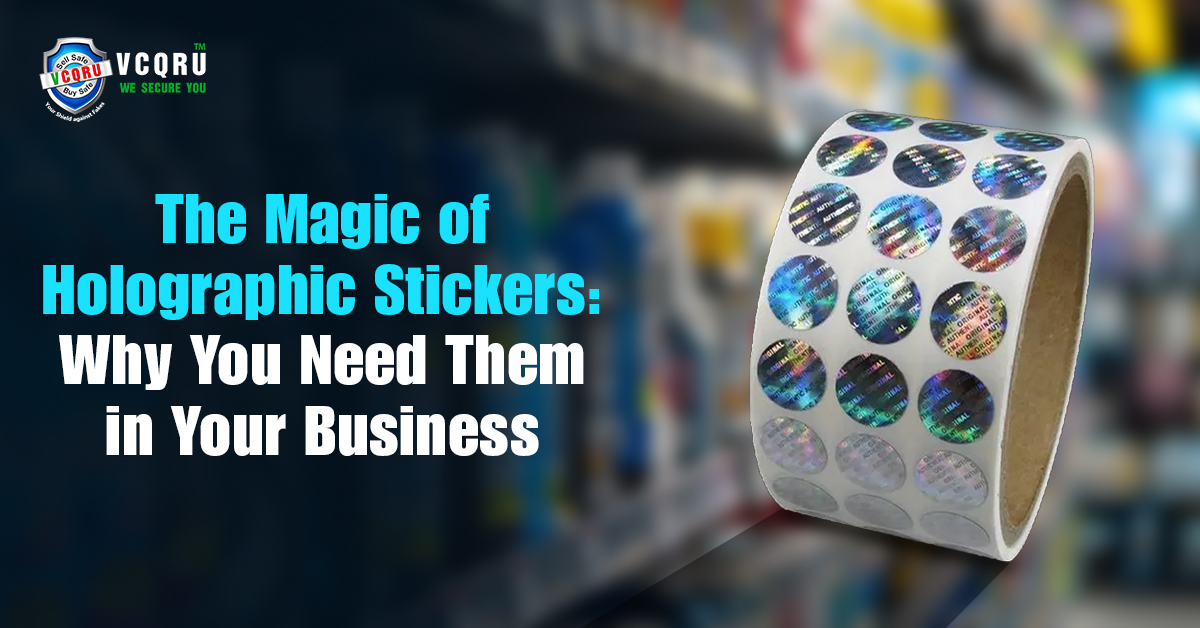
- Anti-counterfeit authentication
- Track & trace capability
- Loyalty or engagement integration
- Real-time analytics dashboard
Unlike traditional labels, smart labels generate data every time they are scanned. They turn packaging into a live communication channel.
Why Smart Labels Matter in 2026
1. Counterfeit Prevention
Static labels can be copied.
Smart labels detect duplication.
If a QR code is scanned multiple times or in unexpected regions, brands are alerted instantly. Security becomes proactive.
2. Consumer Engagement
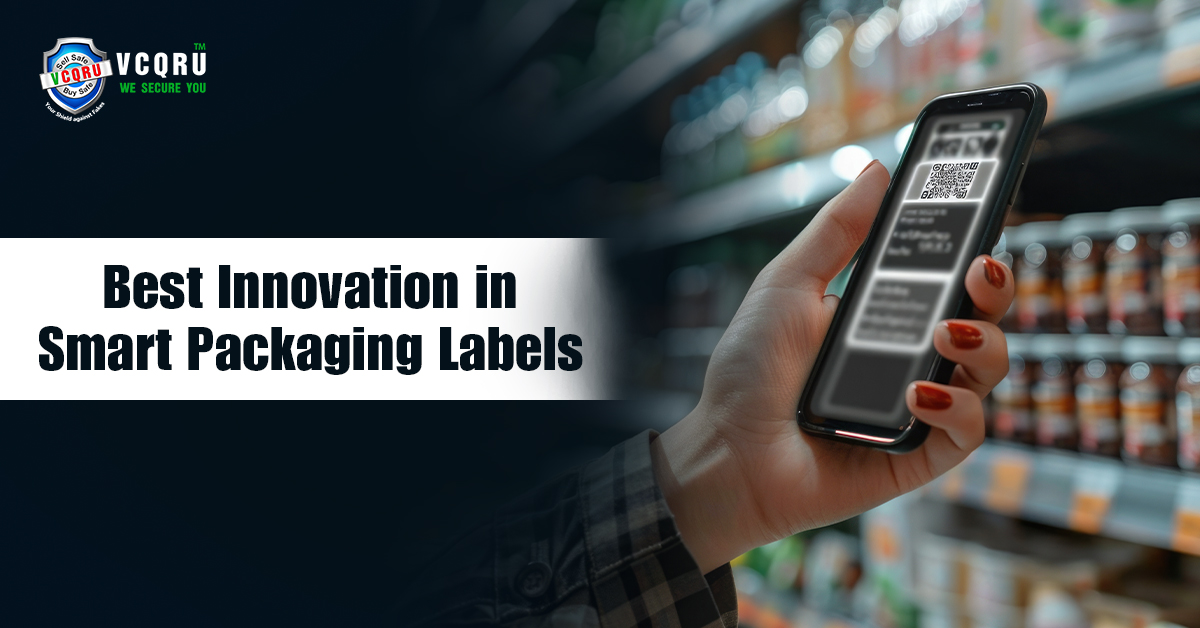
When consumers scan a smart label, they can:
- Verify authenticity
- Register warranty
- Earn rewards
- Participate in campaigns
- Access product information
This transforms packaging into an engagement tool rather than a passive surface.
3. Supply Chain Visibility
Smart labels integrated with track & trace systems allow brands to monitor:
- Product movement
- Regional scan trends
- Distribution anomalies
Manufacturers gain real-time visibility instead of waiting for sales reports.
4. Data Collection & Insights
Every scan generates insights:
- Which region has highest engagement
- Which SKU is most verified
- What time consumers interact most
- Where suspicious activity occurs
This data helps improve marketing, sales planning, and distribution strategy.
Industries Benefiting Most from Smart Labels
- FMCG
- Pharmaceuticals
- Lubricants
- Electricals
- Chemicals
- Agro-products
These sectors face high duplication risk and complex distribution networks.
Digital + Flexo + Indigo Printing Advantage
Smart labels can be printed using:
- Digital printing machines
- Flexographic printing
- HP Indigo presses
This ensures:
- High-quality output
- Variable data capability
- Scalable production
- Timely delivery
Technology integration does not compromise print quality.
Business ROI
Consider a brand generating ₹150 Cr annually. If smart labels:
- Reduce counterfeit by 2%
- Improve repeat purchase by 3%
- Reduce channel leakage by 1%
The combined financial impact becomes significant. Smart packaging is not just branding innovation - it is revenue strategy.
Conclusion
In 2026, smart labels are not a luxury. They are becoming standard for brands that prioritize:
- Security
- Transparency
- Consumer trust
- Data-driven growth
The future of packaging is intelligent.
.jpg)