
Introduction
India’s rapidly growing consumer market is both a blessing and a challenge for brands. As demand expands across FMCG, pharma, automotive, and electronics, so does the threat of counterfeit goods. Fake products don’t just erode profits - they damage brand trust, put lives at risk, and undermine legitimate businesses.
This is where modern anti-counterfeit solutions are changing the game for Indian brands.
The Rising Challenge of Counterfeiting in India
Reports suggest that 25–30% of consumer products in India face duplication. From medicines to lubricants and packaged foods - fakes are everywhere. These counterfeit products not only result in financial losses but also endanger public health and safety.
Consumers often have no way to verify whether a product is genuine, creating an urgent need for reliable technology.
The Technology Behind Anti-Counterfeit Solutions
Today’s solutions go far beyond holograms and seals. They integrate digital verification with smart packaging for real-time authentication.
QR Codes and Dynamic Labels
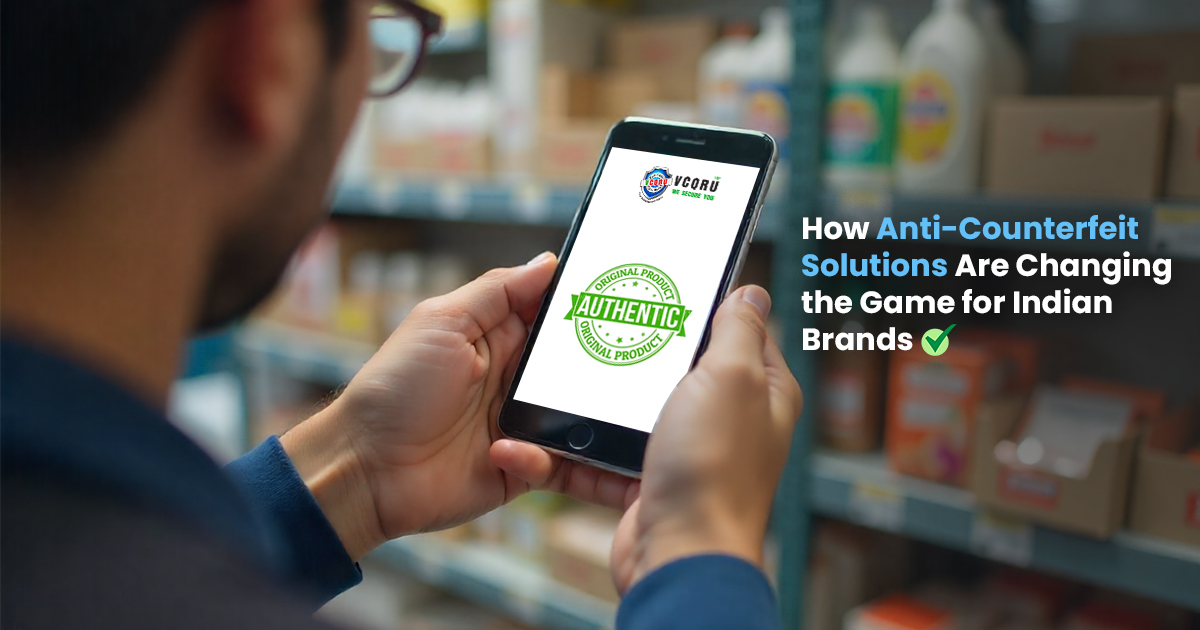
Unique QR codes allow customers to scan products using their smartphones and instantly verify authenticity. Dynamic labels even deactivate after one scan, preventing duplication.
Track and Trace Systems
This technology follows the product’s journey from manufacturing to retail, ensuring transparency across the supply chain and identifying any potential infiltration of fakes.
AI and Data Analytics
Machine learning models analyze consumer scan data to detect suspicious behavior and fraudulent trends.
How Indian Brands Are Responding
Brands across industries are adapting fast. FMCG giants use tamper-proof QR labels, automobile manufacturers rely on serialized parts, and pharmaceutical companies integrate digital checks to comply with regulations.
Customers can now simply “Scan and Verify” to confirm product authenticity - a small action that builds enormous trust.
Economic and Reputational Benefits
Adopting these technologies reduces return fraud, protects market share, and strengthens brand credibility. Moreover, scan analytics reveal valuable insights about consumer behavior and regional demand.
Role of Policy and Awareness
The Indian government is encouraging digital traceability in sensitive sectors like pharmaceuticals and agrochemicals. Public education on authenticity verification is also helping shape a more responsible market.
Future Outlook - Authenticity as a Standard
As digital commerce expands, authenticity will become a basic consumer expectation. Blockchain, IoT, and AI will soon make verification nearly tamper-proof, paving the way for a Fake-Free India.
Conclusion
Anti-counterfeit solutions are not just about stopping fakes - they represent integrity, transparency, and consumer empowerment. By embracing these innovations, Indian brands are building a secure and trusted future.

.jpg)
